

Waterproofing Shower Walls Best Practices: Expert Guide to Membrane Installation and Material Selection

By Juan Pablo Ceballos, PlaceForPros
Waterproofing shower walls prevents water ingress and extends the service life of a bathroom assembly. This guide summarises core best practices for membrane installation and material selection so you can build a durable, effective waterproofing system. Moisture-control failures remain a frequent source of costly repairs, so correct techniques and appropriate materials are essential. The article covers membrane installation methods, material selection criteria, common membrane types, step-by-step installation, relevant code points, and routine maintenance.
Membrane Installation Techniques
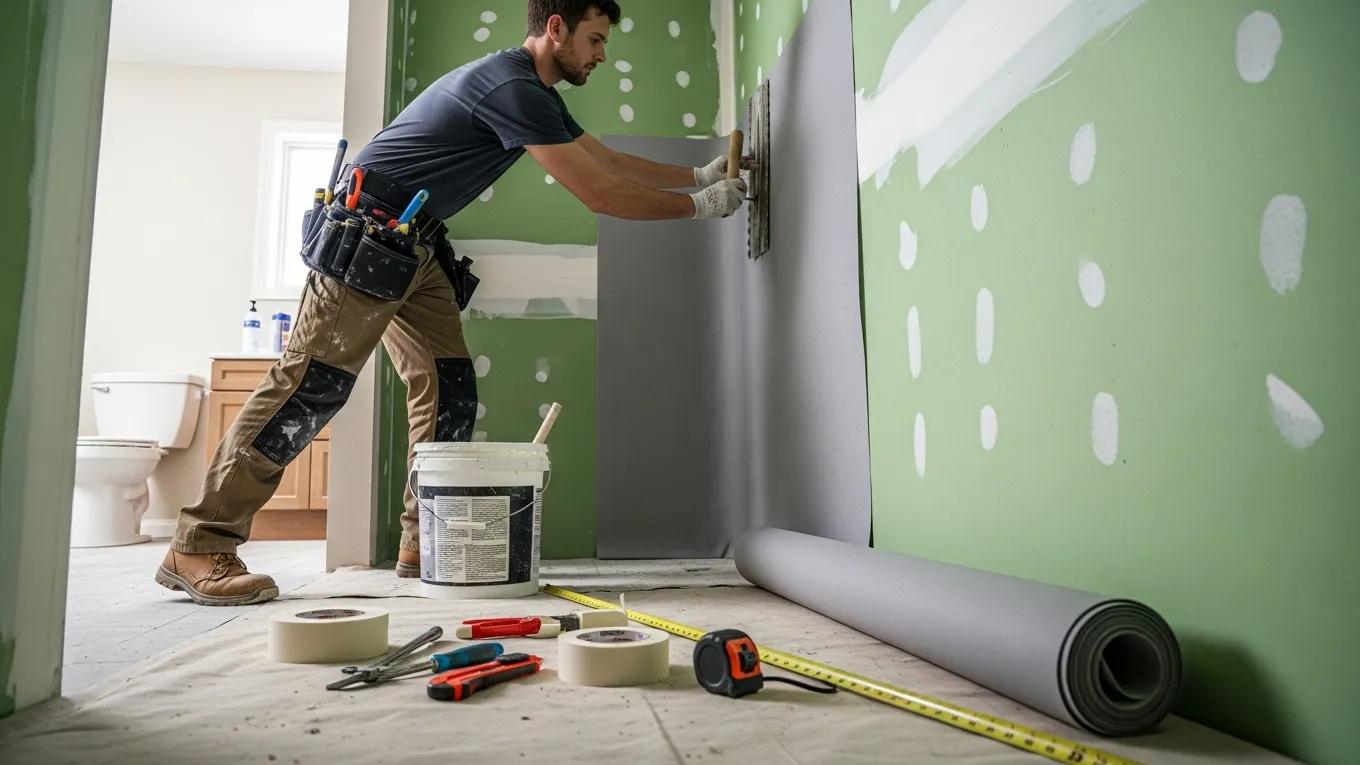
Installation quality determines waterproofing performance. Start with thorough surface cleaning and levelling so membranes bond reliably. Fit and cut membranes precisely to cover all planes, and pay close attention to corners and transitions where intrusion risk is highest. Proper seals at these locations prevent leaks and preserve system longevity.
Surface Preparation
Remove debris, dust and contaminants that impair adhesion. Ensure a flat, even substrate so membranes can bond and perform as intended.
Cutting and Fitting Membranes
Measure accurately and cut membranes to fit the shower dimensions with the correct overlaps. Precise edges and seam placement reduce the chance of water penetration.
Sealing Corners and Transitions
Corners and transitions are high-risk points. Use approved tapes, corner seals or manufacturer-recommended accessories to create a continuous watertight barrier.
Criteria for Selecting Appropriate Materials
Choose materials that deliver durability, performance and code compliance. Key selection criteria include the membrane type, long-term durability and conformity with local building standards.
- Type of Membrane: Sheet membranes, liquid waterproofing and foam waterproof boards each offer different protection levels and installation approaches.
- Durability and Longevity: Pick materials that tolerate moisture and temperature cycles without premature degradation.
- Compliance with Building Standards: Use products listed or approved for your jurisdiction to avoid inspection issues.
For quality waterproofing materials, consult the product range available at PlaceForPros.
What Are the Best Materials for Shower Waterproofing Membranes?

Common, reliable membrane options include:
- Sheet Membranes: Prefabricated sheets that form a robust barrier and are straightforward to install when sealed correctly.
- Liquid Waterproofing: Applied wet and cured in place to form a seamless, flexible membrane—useful for complex shapes.
- Foam Waterproof Boards: Provide integrated insulation and waterproofing, simplifying modern assemblies.
Select the material that matches your substrate, design constraints and performance needs.
How to Properly Install Shower Waterproof Membranes: Step-by-Step Techniques
Follow manufacturer guidance closely; a consistent, methodical approach prevents defects. A concise installation sequence is below.
- Prepare the Surface: Clean and level the substrate for adhesion.
- Measure and Cut the Membrane: Fit with appropriate overlaps at seams.
- Apply Adhesive: Use the recommended adhesive and application method for the product.
- Seal Edges and Corners: Use tape, corner pieces or extra adhesive where needed.
- Test for Leaks: Perform a water test before tiling to confirm watertightness.
For professional-grade tools and installation aids, review the selection at PlaceForPros.
What Are the Updated Code Compliance Requirements for Shower Waterproofing?
Recent code updates emphasise approved materials, documented installation methods and clearer inspection expectations. Ensure products meet performance criteria, follow prescribed installation practices and keep records for inspections.
- Material Standards: Use products that meet specified performance tests for moisture exposure.
- Installation Practices: Document and follow manufacturer and local installation guidance.
- Inspection Protocols: Expect closer review during inspections; retain documentation.
Contractors and homeowners should check local code revisions and approved product lists to remain compliant.
How to Maintain and Inspect Shower Waterproofing for Optimal Performance?
Routine checks and prompt repairs preserve system integrity. Adopt simple regular practices to catch problems early.
- Routine Inspections: Look for cracks, peeling or soft spots at least yearly.
- Addressing Issues Promptly: Repair small defects quickly to prevent escalation.
- Cleaning: Keep surfaces free of mold and residue that can degrade materials.
Consistent inspections, timely repairs and good cleaning habits extend the useful life of the waterproofing system.
Frequently Asked Questions
What are the common mistakes to avoid during shower waterproofing?
Common mistakes include poor surface prep, incomplete sealing of corners/transitions, incorrect seam overlaps and mixing incompatible products. Follow manufacturer instructions and local codes to reduce risk.
How long does a waterproofing membrane last?
Lifespan varies by material and conditions; high-quality membranes often last a decade or more. Environmental exposure and maintenance strongly influence longevity.
Can I install a waterproof membrane myself, or should I hire a professional?
Experienced DIYers can install simple systems, but complex assemblies, code requirements or warranty needs usually justify hiring a qualified professional.
What should I do if I notice leaks after installation?
Identify the source, inspect seams and corners, and apply approved repair methods for minor breaches. Significant leaks frequently require removal and reinstallation—consult a qualified installer if unsure.
Are there eco-friendly options for shower waterproofing materials?
Yes. Some products use recycled content or low-VOC formulations; review product data and certifications to verify environmental claims.
How can I ensure my waterproofing system complies with local building codes?
Review local regulations, consult building authorities or licensed contractors, specify approved materials and keep installation documentation for inspections.
Conclusion
Effective shower wall waterproofing prevents water damage and protects the installation’s value. Use recognised membrane installation practices, select suitable, high-quality materials and maintain the system while following current codes. Visit PlaceForPros for tools and materials to support a successful installation.