



Comprehensive Waterproofing Solutions: Best Membranes, Installation, and Materials for Moisture Protection
Waterproofing is a critical aspect of construction and home maintenance, ensuring that structures remain safe and dry from moisture damage. This comprehensive guide delves into the various types of waterproofing membranes, installation techniques, and materials that provide effective moisture protection. Readers will learn about the differences between liquid, sheet, and hybrid membranes, as well as the best practices for installing shower waterproof membranes. Additionally, we will explore the best waterproof tile backer board types for wet areas and the latest trends in waterproofing technology. Understanding these elements is essential for homeowners and builders alike, as improper waterproofing can lead to significant structural issues and costly repairs.
As highlighted by experts, a comprehensive approach to waterproofing, encompassing selection, installation, and maintenance, is crucial for long-term structural integrity.
Comprehensive Waterproofing Systems: Selection, Installation & Performance
Waterproofing is an essential component in building construction to maintain the integrity of buildings with reduced maintenance cost. A comprehensive waterproofing system is an integrated combination of factors, and includes product selection, membrane detail, substrate preparation, design, installation and maintenance. It is designed to work under different environmental conditions, substrates and applications. Proper understanding of the issues related to waterproofing membrane systems is important to minimise the waterproofing failures in both commercial and residential buildings. This paper aims to discuss Standards and Codes; membrane systems and performance, waterproofing practices, design and installation techniques, inspection and testing and quality assurance adopted by the waterproofing industry in Australia.
Waterproofing practices in Australia for building construction, R Sriravindrarajah, 2018
What Are the Main Types of Waterproofing Membranes?
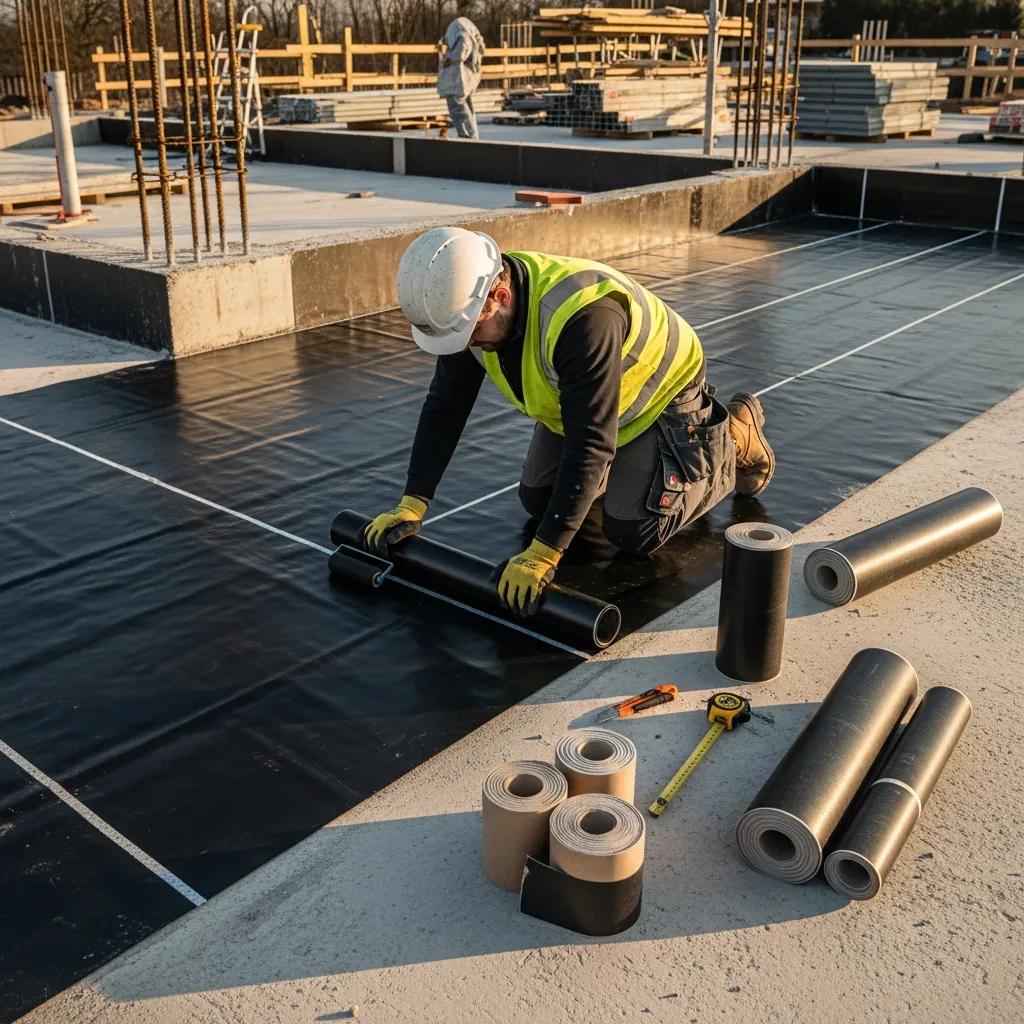
Waterproofing membranes are essential for protecting structures from water infiltration. They come in various types, each with unique applications and performance characteristics. The main types of waterproofing membranes include liquid, sheet, and hybrid membranes. Liquid membranes are applied as a liquid and cure to form a seamless, flexible barrier. Sheet membranes, on the other hand, are pre-manufactured sheets that are adhered to surfaces. Hybrid membranes combine features of both liquid and sheet membranes, offering versatility in application.
How Do Liquid and Sheet Membranes Differ in Application and Performance?
Liquid and sheet membranes differ significantly in their application methods and performance metrics. Liquid membranes are typically easier to apply, as they can be brushed, rolled, or sprayed onto surfaces, allowing for seamless coverage. In contrast, sheet membranes require precise installation, as they must be adhered to surfaces with specific adhesives. Performance-wise, liquid membranes often provide better flexibility and can accommodate structural movements, while sheet membranes are generally more robust and resistant to punctures.
What Are Hybrid Membranes and Their Benefits?
Hybrid membranes are innovative solutions that combine the advantages of both liquid and sheet membranes. They offer enhanced flexibility and durability, making them suitable for a variety of applications. The benefits of hybrid membranes include improved adhesion, better resistance to environmental factors, and the ability to cover complex geometries. These membranes are ideal for areas that experience significant movement or stress, such as roofs and foundations.
How to Install Shower Waterproof Membranes Effectively?
Installing shower waterproof membranes is crucial for preventing water damage in bathrooms. A proper installation ensures that moisture does not penetrate walls or floors, which can lead to mold and structural issues. This section outlines the step-by-step installation methods for shower membranes, along with the necessary tools and materials.
What Are the Step-by-Step Installation Methods for Shower Membranes?
- Preparation: Begin by cleaning the surface where the membrane will be applied. Ensure it is free of dust, debris, and any contaminants.
- Measure and Cut: Measure the area accurately and cut the membrane to fit, allowing for overlaps at seams.
- Apply Adhesive: Use a suitable adhesive to bond the membrane to the surface, following the manufacturer's instructions.
- Install the Membrane: Carefully place the membrane onto the adhesive, smoothing out any air bubbles to ensure a tight seal.
- Curing: Allow the membrane to cure as per the manufacturer's guidelines before applying any finishes.
For those looking for high-quality waterproofing solutions, consider products that offer superior adhesion and flexibility, ensuring long-lasting protection.
Which Tools and Materials Ensure Proper Shower Waterproofing?
To achieve effective shower waterproofing, several tools and materials are essential:
- Trowel: For spreading adhesive evenly across the surface.
- Utility Knife: To cut the membrane to the required size.
- Roller or Brush: For applying liquid membranes or smoothing out sheet membranes.
- Measuring Tape: To ensure accurate measurements for cutting the membrane.
Using high-quality materials will enhance the effectiveness of the waterproofing system and extend its lifespan.
What Are the Best Waterproof Tile Backer Board Types for Wet Areas?
Waterproof tile backer boards are crucial for wet areas, providing a stable and moisture-resistant substrate for tile installations. The best types of backer boards include cement boards, foam boards, and fiber cement boards. Each type offers different levels of durability and moisture resistance, making it essential to choose the right one based on the specific application.
How to Select Tile Backer Boards Based on Durability and Moisture Resistance?
When selecting tile backer boards, consider the following criteria:
- Material Properties: Look for boards that are specifically designed for wet areas, such as cement or foam boards.
- Durability Ratings: Check the manufacturer's specifications for durability ratings, ensuring they can withstand moisture exposure.
- Moisture Resistance Tests: Review any available test results that demonstrate the board's performance in wet conditions.
Choosing the right backer board is vital for ensuring a long-lasting tile installation that resists moisture damage.
What Are the Material Properties of Popular Waterproof Tile Backer Boards?
The most popular waterproof tile backer boards include:
- Cement Board: Highly durable and moisture-resistant, ideal for wet areas.
- Foam Board: Lightweight and easy to handle, offering excellent insulation properties.
- Fiber Cement Board: Combines the benefits of cement and fiber, providing moisture resistance and strength.
Understanding the material properties of these boards helps in making informed decisions for specific projects.
Which Waterproofing Membrane Materials Offer Optimal Protection?
Selecting the right waterproofing membrane material is crucial for effective moisture protection. The most common materials used include polyurethane, bituminous, and PVC membranes. Each material has distinct characteristics that affect its performance and suitability for various applications.
What Are the Characteristics of Polyurethane, Bituminous, and PVC Membranes?
| Material Type | Characteristics | Applications |
|---|---|---|
| Polyurethane | Flexible, durable, and resistant to UV rays | Roofs, balconies, and terraces |
| Bituminous | Strong adhesion and excellent waterproofing properties | Foundations and below-grade applications |
| PVC | Lightweight, easy to install, and resistant to chemicals | Roofs and below-grade applications |
This comparison highlights how different materials cater to specific waterproofing needs, ensuring optimal protection against moisture.
How Do Material Properties Affect Membrane Thickness and Flexibility?
The properties of waterproofing materials significantly influence their thickness and flexibility. For instance, polyurethane membranes are often thicker and more flexible, allowing them to accommodate structural movements without cracking. In contrast, bituminous membranes tend to be thicker but less flexible, making them suitable for static applications. Understanding these properties helps in selecting the right membrane for specific projects.
Further research underscores the importance of evaluating membrane performance, particularly their mechanical properties and resistance to sustained loads, to ensure long-term durability and prevent leakage.
Waterproof Membrane Performance: Durability & Leakage Prevention
Building leakage is a prominent quality issue today. The application of waterproof membranes is the most widespread in waterproofing projects, and these membranes must consider the influence of external and various natural factors, primarily including the effects of external forces, natural conditions, and defects in concrete structures. Only by accurately analyzing these influencing factors can scientifically grounded and operable repair solutions be proposed. This paper reviews relevant academic literature and reaches the following conclusions: (1) Studying the mechanical properties of waterproof membranes, such as tensile strength and elongation at break, under adverse or accelerated conditions is an intuitive and effective method for evaluating their performance. Under sustained loading and stress, the performance of waterproof membranes generally declines, including reduced waterproofing effectiveness and mechanical strength.
Sustained Load and Aging Impact on Waterproof Membranes: A Review of Current Research, Z Bakr, 2024
How to Maintain and Extend the Longevity of Waterproofing Systems?
Proper maintenance of waterproofing systems is essential for ensuring their longevity and effectiveness. Regular inspections and maintenance practices can prevent costly repairs and extend the lifespan of the system.
What Are Best Practices for Waterproof Membrane Maintenance?
- Regular Inspections: Check for any signs of wear, damage, or leaks at least twice a year.
- Cleaning: Keep the surface clean and free of debris to prevent mold and mildew growth.
- Repairs: Address any issues immediately to prevent further damage.
Implementing these practices will help maintain the integrity of the waterproofing system.
How to Identify and Repair Common Waterproofing Failures?
Identifying waterproofing failures early can save significant costs. Common signs include:
- Water Stains: Look for discoloration on walls or ceilings.
- Mold Growth: Presence of mold indicates moisture infiltration.
- Peeling Paint: This can signal underlying moisture issues.
To repair these failures, it is essential to locate the source of the leak and address it promptly, followed by repairing or replacing the affected waterproofing materials.
What Are the Latest Trends and Innovations in Waterproofing Technology?
The waterproofing industry is continually evolving, with new technologies and materials emerging to enhance moisture protection. Staying informed about these trends is crucial for builders and homeowners alike.
How Are Sustainable and Eco-Friendly Membranes Changing the Industry?
Sustainable and eco-friendly membranes are gaining popularity due to their reduced environmental impact. These membranes are often made from recycled materials and are designed to be more energy-efficient. The shift towards sustainability is not only beneficial for the environment but also appeals to consumers looking for green building solutions.
What Role Do Smart Moisture Sensors Play in Modern Waterproofing?
Smart moisture sensors are becoming an integral part of modern waterproofing systems. These devices monitor moisture levels in real-time, providing alerts when levels exceed safe thresholds. This technology allows for proactive maintenance and can prevent significant water damage before it occurs.
Innovations in waterproofing extend to advanced systems that integrate smart technologies, such as polymeric membranes with reflective additives and embedded sensors, to enhance durability and detect infiltrations proactively.
Advanced Smart Roof Waterproofing: Polymeric Membranes & Sensors
Rooftop materials are fast evolving to provide superior user comfort and advantageous product life cycles, but current commercial waterproofing solutions are confronted with persistent quality anomalies that are caused by cracks and infiltrations, which reduce the overall durability and robustness of the roof structures. To address this problem, here we present the development of a new appliance called Advanced Roofs Waterproofing System to targeting conventional flat or inverted roofs. This consists in a water-based polymeric membrane with infrared (IR) reflective additives that insure a high thermal reflectance (thus preventing overheating and cracking), reinforced with a smart textile substrate that includes coupled moisture-and-temperature sensors (for monitoring water infiltrations).
Smart Roofs System: Moisture and Temperature Monitoring on Smart Roofs, C Ferreira, 2023