

How to Choose the Right Linear Shower Drain: Expert Guide for Construction Professionals
By Juan Pablo Ceballos, PlaceForPros
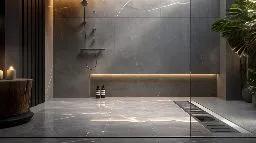
Selecting the correct linear shower drain ensures efficient water removal and preserves the bathroom’s visual integrity. This guide provides construction-grade guidance on selection criteria, installation best practices, and common errors to avoid. It covers material choices, sizing considerations, and installation requirements so you can specify solutions that balance performance and design. After reading, you'll understand the technical considerations needed to choose the right linear drain for your projects.
Key Factors to Consider:
Evaluate the factors that determine drain performance and compatibility with your design intent and site conditions.
- Type of Drain: Linear drains come in various configurations, including wall-mounted and center-drain options, each suited for different layouts.
- Material: The material of the drain affects durability and maintenance. Common options include stainless steel, PVC, and ABS.
- Size and Length: Ensure the drain fits the dimensions of your shower space. Measure the area accurately to avoid installation issues.
- Design Compatibility: Choose a drain that complements the overall design of your bathroom, including tile patterns and colors.
Prioritise user experience and visual integration—particularly drain covers—to deliver accessible, durable bathroom solutions.
Universal Design for Bathroom Floor Drain Covers
This study applies universal design principles within a family-home context. Researchers used observation, simulation experiments, and video recording to analyse how different users interact with existing floor drain covers. Participants cleaned and scored covers against the seven principles of universal design. The research team then developed personas and mapped user behaviour from the video data to identify pain points in domestic use and to propose improved cover designs.
Design of Bathroom Floor Drain Cover Based on Universal Design Concepts, 2021
- Water Drainage Requirements: Assess the water flow rate and drainage capacity needed for your specific shower setup.
Installation Tips:
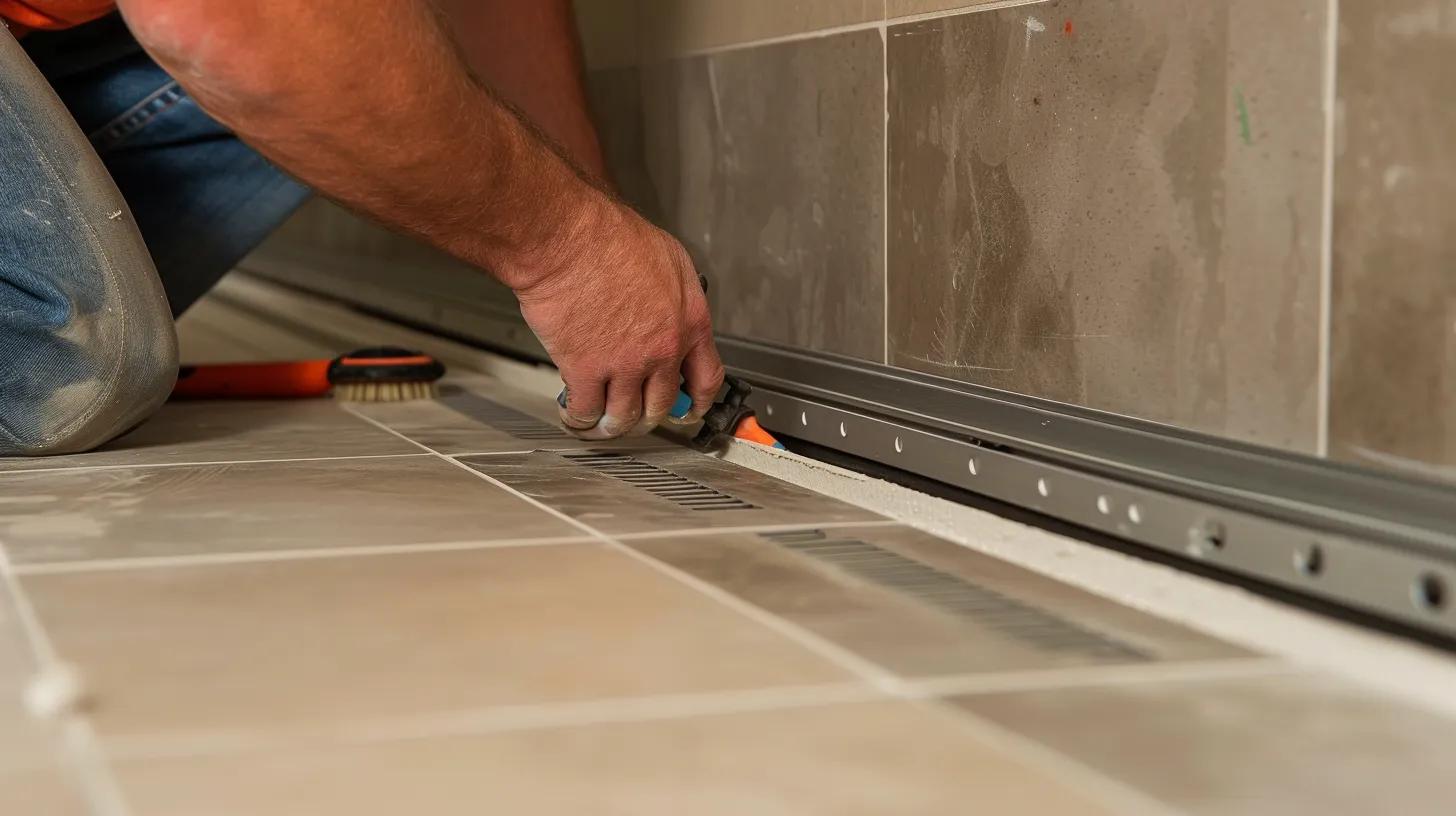
Correct installation is essential to drain performance and service life. Follow best practices to reduce defects and rework.
Apply Same-Floor Drainage principles to reduce installation conflicts and long-term maintenance challenges.
Same-Floor Drainage Principles for Bathroom Design
Same-Floor Drainage (SFD) is a design concept for planning and constructing a building’s drainage system. The principle supports coordinated installation and can help avoid potential ownership and installation issues.
Study on the bathroom space and the application of same-floor drainage in congregate housing, 2021
- Slope Direction: Ensure the shower floor is sloped towards the drain to facilitate proper water flow and prevent pooling.
- Waterproofing: Apply waterproofing membranes around the drain area to prevent leaks and water damage.
Comparative research reinforces the critical role of waterproofing systems in preventing long-term defects in wet-zone installations.
Waterproofing Systems for Wet Zones & Shower Installations
This analysis compares waterproofing systems for wet zones, evaluating cement-based, polymer-modified, and hybrid membranes under various operational conditions. The research synthesises field observations from swimming pools, hotel bathrooms, and commercial kitchens in the Czech Republic collected between 2018 and 2024, and it examines 122 documented defect cases. The primary objective was to assess waterproofing durability relative to material type, application environment, and adherence to technological protocols.
High-Performance Cladding Systems in Wet Zones: Comparative Analysis of Waterproofing Materials and Technological Solutions, 2025
- Tile Layout: Plan your tile layout to ensure it aligns with the drain, enhancing both aesthetics and functionality.
- Follow Instructions: Always adhere to the manufacturer's installation guidelines for the specific drain model you are using.
For professional-grade tools and resources, evaluate the offerings from PlaceForPros, a supplier serving construction professionals and contractors.
How to Install a Linear Shower Drain Correctly?
Installation requires these critical steps: prepare and level the subfloor; create a slope—typically 1–2%—toward the drain; set and level the drain within that slope; connect the drain to the plumbing and verify all seals are watertight.
What Are the Essential Steps for Linear Drain Installation?
- Prepare the Subfloor: Ensure the area is clean and level.
- Create a Slope: Use a mortar bed to create a slope towards the drain.
- Install the Drain: Position the drain and secure it according to the manufacturer's instructions.
- Connect Plumbing: Attach the drain to the existing plumbing, ensuring all connections are secure.
Common Mistakes to Avoid:
Preventing typical installation errors reduces rework and warranty exposure. Review and mitigate these common mistakes before installation.
- Incorrect Sizing: Choosing a drain that is too small or too large for the shower space can lead to drainage issues.
- Neglecting Slope: Failing to create an adequate slope can result in water pooling and ineffective drainage.
- Inadequate Waterproofing: Skipping waterproofing measures can lead to leaks and water damage over time.
- Ignoring Aesthetics: Selecting a drain that does not match the bathroom design can detract from the overall look.
- Improper Installation of Components: Ensure all components are installed correctly to avoid future problems.
Selecting quality products from PlaceForPros reduces risk and supports reliable installations.
Key Types and Materials of Linear Shower Drains
Linear shower drains and related types are offered in several configurations and materials. Understanding these options supports accurate specification.
- Linear Shower Drains: These are designed for long, narrow spaces and provide efficient drainage.
- Square Shower Drains: Ideal for smaller shower areas, these drains offer a compact solution.
- Material Options: Common materials include stainless steel for durability, PVC for cost-effectiveness, and ABS for lightweight applications.
Materials vary in corrosion and stain resistance; these properties affect long-term performance, maintenance intervals, and lifecycle costs.
Frequently Asked Questions
What maintenance is required for linear shower drains?
Regular maintenance preserves drain performance. Remove the cover periodically to clear hair, soap scum, and debris with a soft brush or cloth. Inspect metal drains for corrosion or damage. Where appropriate, apply a protective sealant to reduce staining and corrosion in high-moisture environments.
Can I install a linear shower drain myself, or should I hire a professional?
Experienced installers may successfully complete a linear drain installation. For complex projects, professional installation is recommended to ensure correct slope, waterproofing, and plumbing alignment. Professionals reduce the likelihood of costly repairs. If you proceed as a DIY, follow manufacturer instructions precisely and ensure you have the required skills and tools.
What are the advantages of using stainless steel for linear shower drains?
Stainless steel provides high durability and strong resistance to corrosion and staining. It performs well in wet environments without rapid deterioration and offers a contemporary aesthetic. Its non-porous surface simplifies cleaning and supports hygienic conditions, contributing to extended service life.
How do I choose the right size for a linear shower drain?
Measure the shower area accurately and match drain length to the shower width and expected water flow. An undersized drain can impede drainage; an oversized drain may disrupt the visual balance. Confirm the drain's height aligns with the finished floor to maintain a seamless appearance and effective water flow.
What types of tile are best for use with linear shower drains?
Select slip-resistant tiles rated for wet areas. Porcelain and ceramic are common choices for durability and water resistance. Larger-format tiles reduce grout lines and simplify cleaning. Ensure the tile layout aligns with the drain and verify compatibility with the manufacturer's recommendations.
Are there any specific building codes for installing linear shower drains?
Building codes and local regulations govern linear drain installation and vary by jurisdiction. They typically address drainage capacity, slope requirements, and waterproofing measures. Consult local codes prior to installation and engage a licensed contractor familiar with those requirements when appropriate.
What is the average cost of installing a linear shower drain?
Cost varies by drain type, material selection, and regional labour rates. Typical retail prices for the drain range from $200 to $800. Installation labour commonly ranges from $300 to $1,000 depending on job complexity. Obtain multiple contractor quotes and consider the long-term value of quality materials and professional installation.
Conclusion
Selecting the correct linear shower drain improves both functionality and finish quality. By assessing drain type, material properties, and installation practices, you can ensure reliable drainage and cohesive aesthetics. Consult the product and installation resources available at PlaceForPros to identify solutions matched to professional construction requirements.